Moving a warehouse represents a significant opportunity for operational improvement when executed strategically. Success requires thorough planning, clear communication, and proper tools—not simply transferring inventory from one location to another.
1. Evaluate your current operations and improve what’s not working
Before committing to relocation, critically assess whether moving is genuinely necessary. Many businesses discover their space constraints stem from poor organization rather than insufficient capacity. Evaluate your current situation by examining:
- Inventory accuracy and real-time visibility
- Space utilization and racking layout
- Picking and packing inefficiencies
- Manual versus automated measurement processes
A warehouse move presents an ideal moment to abandon outdated processes and implement smarter operations. Consulting frontline staff often reveals inefficiencies management might overlook.
2. Plan for warehouse growth (don’t just replicate the old setup)
Forward-thinking relocation accounts for anticipated expansion. Consider whether you’ll need space for automation, whether existing systems scale appropriately, and whether tools can evolve alongside your business needs.
3. Build a realistic timeline and checklist
Begin planning minimum six months ahead. A comprehensive checklist should address:
- Inventory review and disposal plan
- Vendor notifications and address updates
- Utility and internet transfers
- Delivery rescheduling
- New facility readiness (racking, equipment, security)
- Staff relocation or hiring
4. Inventory accuracy: this is where it might go wrong, unless you plan it right
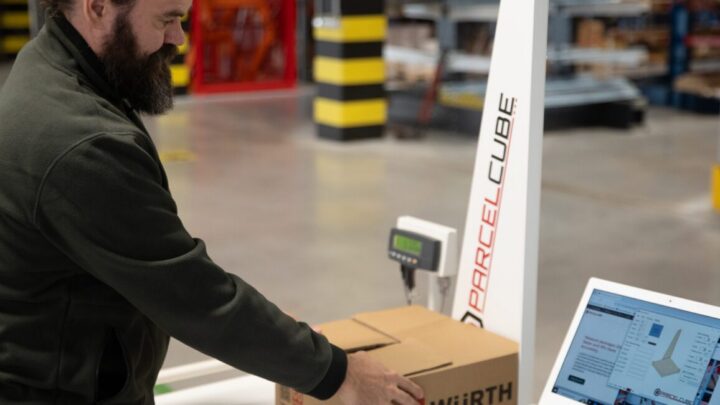
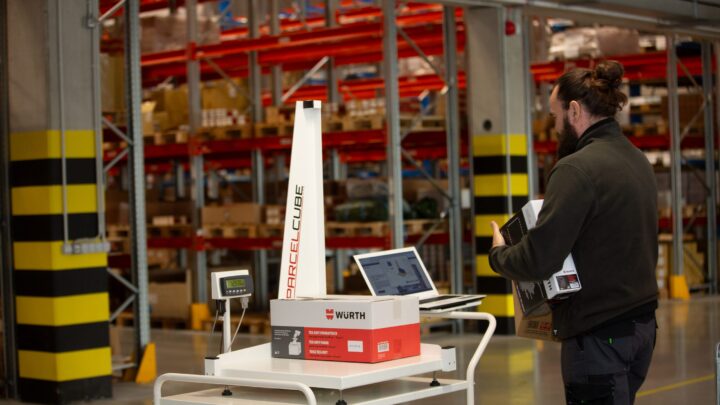
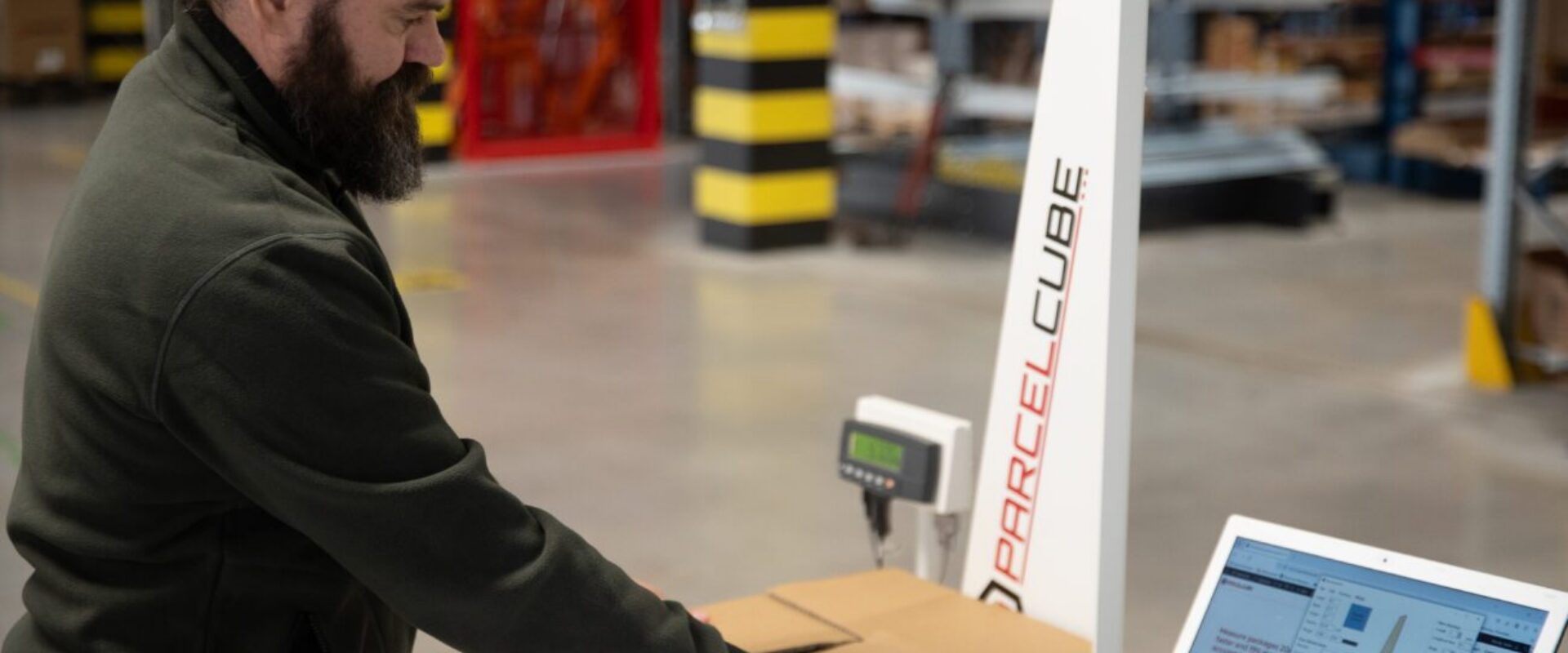
Stock discrepancies frequently occur during relocations. Protect your inventory through precise measurement tools during packing and unpacking, reconciliation plans post-move, and dedicated teams investigating anomalies. Use automated dimensioning systems like Parcelcube to double-check incoming stock measurements during the move-in process.
5. Prepare warehouse staff
Operational knowledge often resides with experienced personnel. Document processes and standard operating procedures before departure, train new staff beforehand when feasible, and schedule daily alignment meetings during transition. Temporary staff can handle manual unpacking and sorting tasks.
6. Confirm all delivery, compliance, and contact details
Update your new warehouse address across all supplier systems, websites, purchase orders, delivery labels, and customer portals. Establish clear inbound delivery rules for couriers and verify regulatory compliance regarding fire exits, sprinklers, building codes, and local permits.
7. Monitor post-move KPIs, beyond just “it looks good”
Evaluate relocation success through measurable metrics established beforehand:
- Stock loss percentage
- Inventory accuracy
- Pick/pack errors
- Order fulfillment time
- Damaged goods rate
Conduct a 30-day post-move review to assess performance and implement necessary corrections.
8. Use the warehouse move as an opportunity to upgrade technology
Relocation offers an opportune moment for technological advancement, including mobile scanning systems, real-time tracking tools, dimensioning systems, and cloud-based inventory software. These investments enhance accuracy, reduce labor costs, and accelerate operations long-term.
Final thoughts: the physical move is just the beginning
Before executing a lease agreement, optimize your current operation. If relocation remains necessary, approach it as a strategic transformation rather than mere logistics. Proper planning, smart technology integration, and transparent communication position your warehouse for sustainable efficiency and profitability.